
TANGKHUL NAGA: A BRIEF SUMMARY
The history of the tangkhul tribe, like the rest of the Naga tribe is orally passed down through the generation in the form of story and songs. It is believed that most of the history were lost in the test of time. Until the end of 20th century only, where the Nagas began to keep written records.
Tangkhul Nagas are by tradition lovers of music and storytelling. This used to be the only medium where olden knowledge is passed down from generations to generations. The folk songs are closely intertwined with the belief system, agriculture season, love, war heroes and cultures.
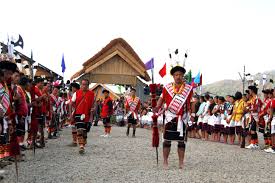
The whole year round is filled with spirit of festive mood. The year begins with the preparation for plantation. There is a festival of plantation called “Luira Phanit” which is one of the biggest festival celebrated by the Tangkhul Naga. In bigger terms it is called the Lui-Ngai-Ni, the seed sowing festival celebrated by all the Nagas in India and Myanmar.
There are festivals for transplantation of crops, picnic season and Harvest season festival. After the adoption of Christianity, Christmas is a big deal for the Tangkhul Naga. It would not be wrong to say that Christmas, currently is the most widely and loudly celebrated festival.
Long story short, Nagas have always revered to the uniqueness of its identity and culture and have always sought for unique political identity. Nagas adopted ‘Hornbill’ as its national bird. So, every year the Hornbill Festival is celebrated in Nagaland. It is one of the most recommended festivals where thousands of tourists come in to witness every year.
It is heartbreaking indeed, that 90% of the folk tunes have disappeared due to the transition of culture during the coming of Christianity. The Tangkhul Nagas continued to pursue their love of music but in a different way. All the folk songs were then replaced by the Christian pop songs. The millennial now are trending towards Korean pop, hip hop, rap, rock and metal and western cultures. There are few artist who are working on if not reviving, adapting folk into modern songs.
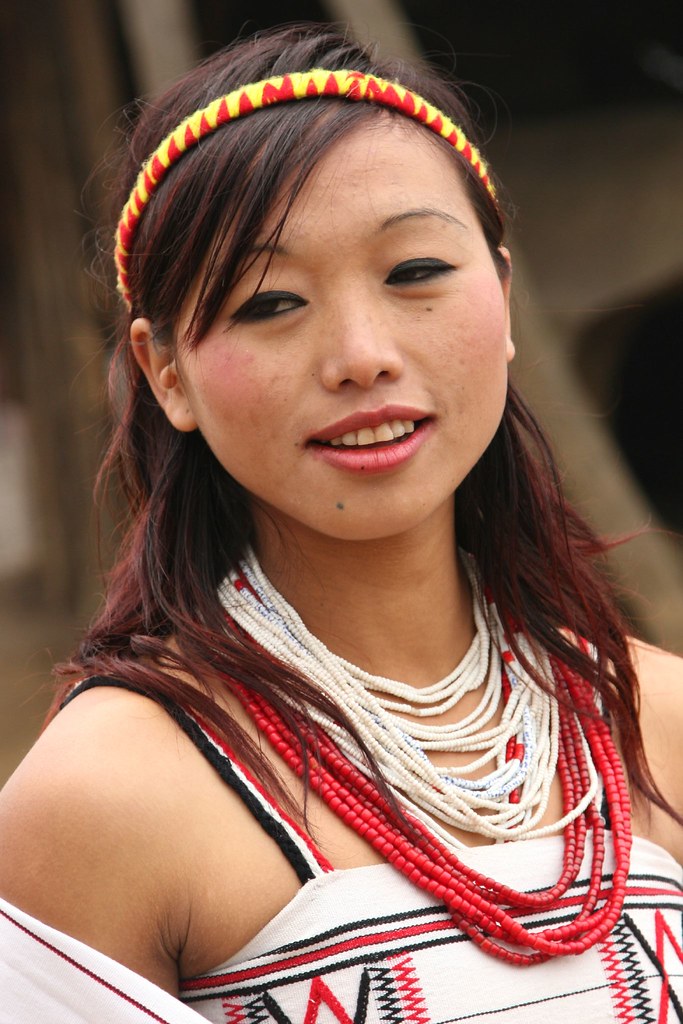
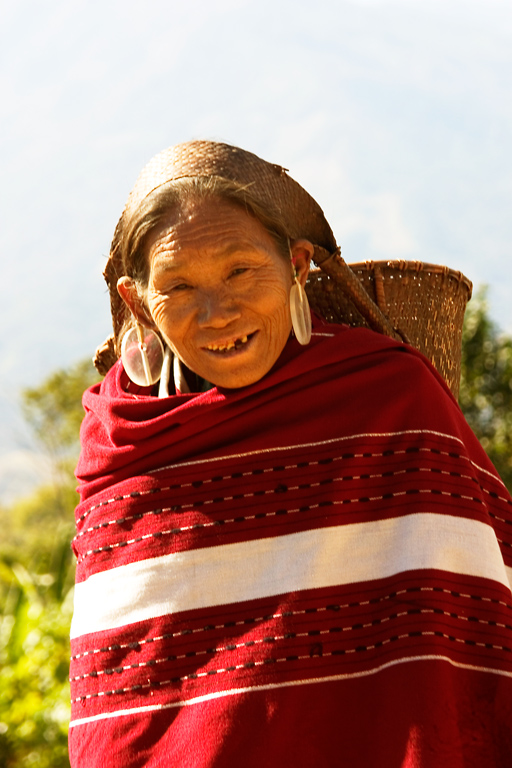
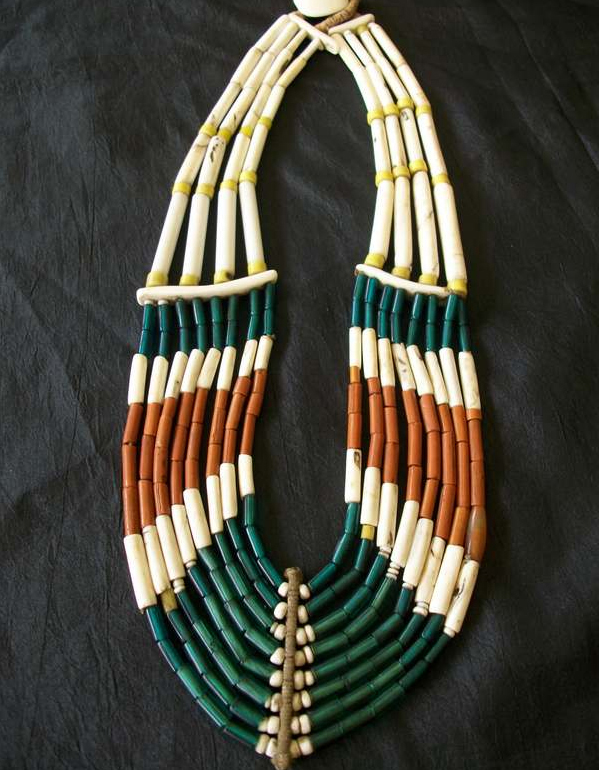
The traditional shawls, sarongs and other ethnic wears managed to survive the ordeal of cultural transition. However, it can be mostly seen only on Sunday morning, festive time and important rally or meetings. Some of the Tangkhul Naga designers also managed to blend traditional and modern attire, and a handful of them have managed to acclaim national recognition.
Rice is the stable food of the Tangkhul Nagas. The most important meal of the day is Brunch and Dinner. Tangkhul Nagas are non-vegetarian. Chicken, Pork & Buff are one of the favorites. If you are a vegetarian wanting to tour around Naga Hills, then you will most probably face difficulties. Nagas love their food spicy. And by spicy meaning, Chilli hot spicy. So, if you wish to dine like a Naga and not accustomed with Chilly Spice, brace yourself, you are in for a rough ride.
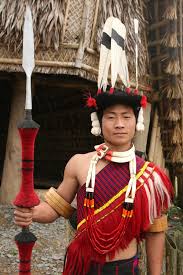
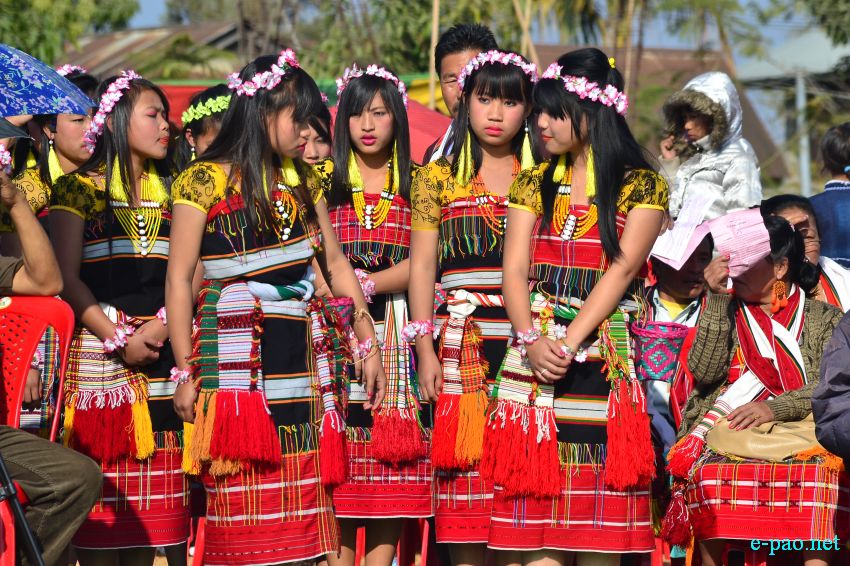
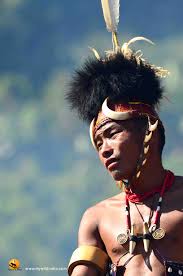
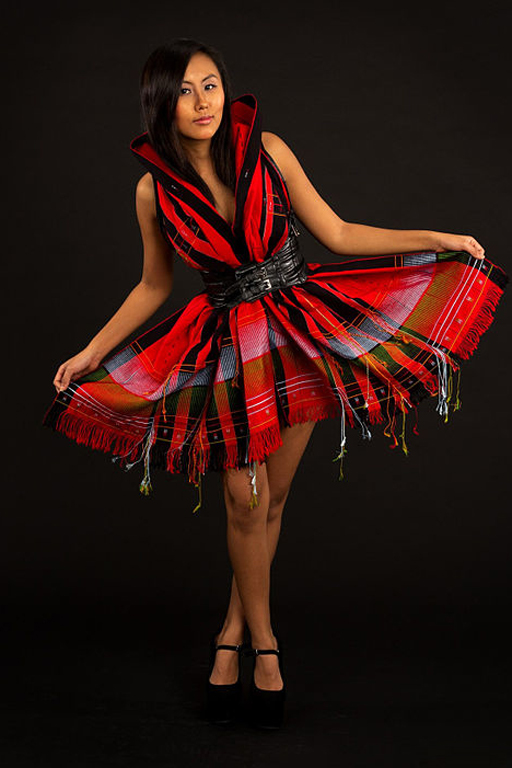
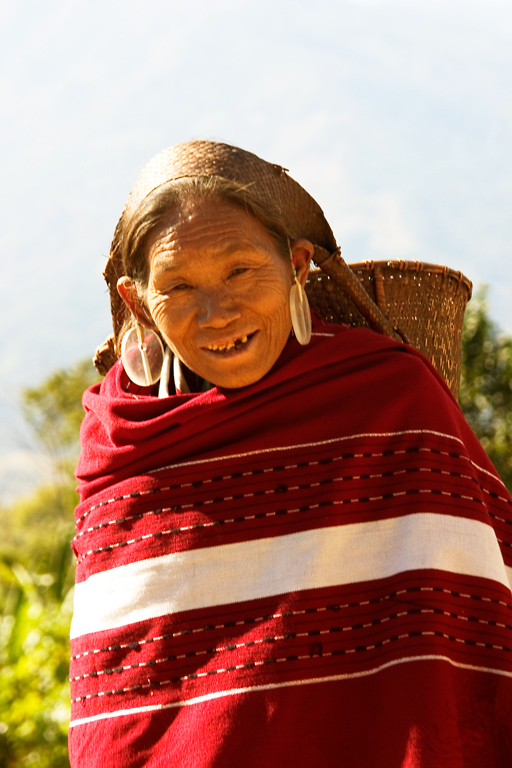
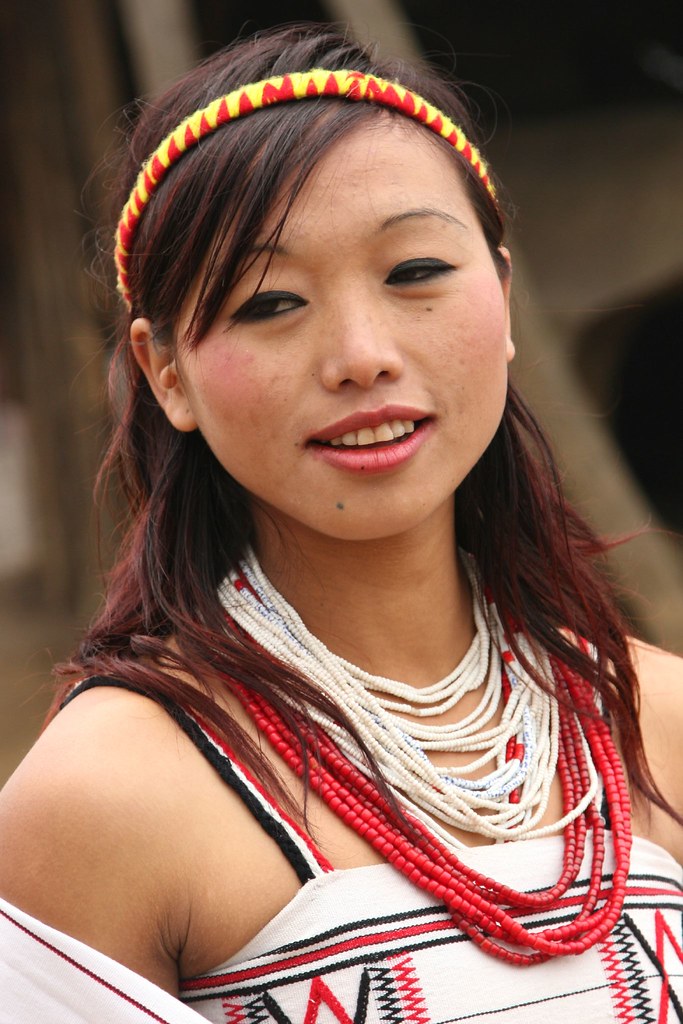
The Nagas are known for their love of music and hospitality. Experience the exotic food of the Nagas by visiting the North-eastern part of India.
DEMOGRAPHY
| Population: 2 Lakh |
| Language: Tangkhul, English, Manipuri, Hindi & Village dialects |
| Religion: Christian, Animism, Atheist |
| Villages: 200+ |
| Ethnicity: Naga |
| Location: India & Myanmar |
Tangkhul Villages
| Aheng | Joyland | Leishi | Nungshong | Shangshak | Yeasom |
| Alang | Kachai | Leiyaram | Nungthar | Shangzing | Yedah |
| Apong | Kachouphung | Lishamlok | Paorei | Sharkaphung | Zingshao |
| Bohoram | Kalhang | Litan | Patbung | Shingcha | Zingshong |
| Bungpa | Kankoi | Longpi | Peh | Shingkap | Zingsui |
| Chadong | Kanpat | Loushing | Peh | Shingta | |
| Chahong | Kaprang | Lunghar | Phalee | Shirui | |
| Champhung | Kashung | Lungpha | Phange | Shokvao | |
| Chamu | Kasom | Lungshang | Pharung | Sihai Khullen | |
| Changta | keihao | Lungtoram | Pheishat | Sihai Khunou | |
| Chatric | Khamasom | Maichon | Phungcham | Sinakeithei | |
| Chingai | Khambi | Maileng | Phungcham | Sirarakhong | |
| Chingjaroi | Khangkhui | Maku | Phungtha | Siyang | |
| Choithar | Kharasom | Manthouram | POi | Skipe | |
| Chungka | Khayang | Mapao | Poirou | Somdal | |
| Godah | Khonglo | Mapum | Pushing | Sorathen | |
| Grihang | Khunthak | Marem | Ramphoi | Sorde | |
| Halang | Koso | Marou | Ramsophung | Sorpung | |
| Hangao | Kuirei | Maryland | Ramva | Taloi | |
| Hangou | Kumram | Mawai | Razai | Tamaram | |
| Hatha | Laikoiching | Nambashi | Riha | Tangkhul Hungdung | |
| Hongman | Lairam | New Canaan | Ringui | Tanrui | |
| Hoome | Lambakhul | Ngahui | Roni | Tashar | |
| Huishu | Lamlai | Ngainga | Ronshak | Teinem | |
| Hungpung | Lamlang | Ngarumphung | Roudei | Theiva | |
| Hunphun | Langdang | Ningchao | Sailent | Thoyee | |
| Irong | Langkhe | Ningthi | Saman | Tora | |
| Irong kongleiram | Langli | Nongdam | Sampui | Tusom | |
| Island | Leingaching | Nongman | Seikhor | Varangai | |
| Itham | Leisan | Nungou | Shakok | Wunghon |
Music & Folk Songs
The tribe is very closely connected with music as one of the means of passing down of historical stories.
With the coming of Christianity, a lot of the original culture was lost including the tribal music.
New generations are doing their best to restore the century old tunes of the Nagas. Guru Reuben Mashangva is one of the pioneer of the cultural revival of the old folk music.
LANDSCAPE OF THE NAGA TERRITORY
The landscape of the Naga inhabited areas are mostly mountainous areas. It is an extension of the Himalayan range. The peaks are not as high as the Himalayas. Some of the mountain experience a very light snowfall from year to year.

Tangkhul Villages
The tangkhul resides in over 200 villages with each distinct dialect.
Map & Location
Tangkhul Contact Team
 THE TANGKHUL